Mastering Visual Communication with the Brightness Glyph Icon
Understanding the Universal Symbol of Light
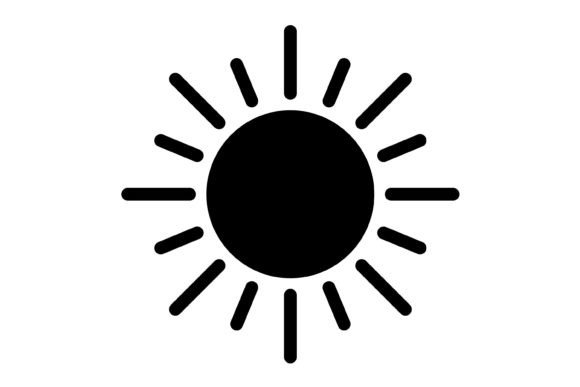
In the vast landscape of digital design, few symbols are as instantly recognizable and functionally essential as the sun icon. The Brightness Glyph Icon represents far more than just a circle with rays; it is the standard user interface element for controlling light output, toggling dark modes, and suggesting themes of energy and positivity. For designers and developers, having access to a high-quality, versatile version of this symbol is crucial for maintaining a professional aesthetic across all platforms. This particular Brightness Glyph Icon set is designed to meet the rigorous demands of modern digital environments, ensuring that your interface communicates clearly with your audience regardless of the device they are using.
The primary challenge in UI and UX design today is consistency. Users expect seamless experiences whether they are browsing a desktop website, using a mobile application, or viewing a presentation on a tablet. A poorly rendered icon can break the immersion and lower the perceived quality of your product. This is where the specific construction of a glyph icon becomes vital. Unlike complex illustrations, a glyph is designed for immediate recognition. It functions as a visual shorthand, allowing users to navigate settings and controls intuitively. By utilizing a dedicated Brightness Glyph Icon, you align your design language with the universal standards set by major operating systems, ensuring that users do not have to guess what a button does.
The Critical Role of File Formats in Design Workflow
One of the most significant pain points for creative professionals is file compatibility. There is nothing more frustrating than finding the perfect asset only to discover it is not available in the format required for your specific software or output medium. This icon package addresses that issue head-on by including a comprehensive suite of five different formats: AI, EPS, JPG, PNG, and SVG. This variety ensures that the Brightness Glyph Icon is not just a static image but a flexible toolset ready for any production pipeline.
The inclusion of vector formats like AI (Adobe Illustrator) and EPS (Encapsulated PostScript) is essential for professional print work and high-end editing. These formats allow designers to manipulate individual paths, change colors, and scale the icon to massive sizes—such as for billboards or trade show banners—without any loss of resolution. The lines remain crisp and sharp, regardless of how much you zoom in.
Conversely, the SVG (Scalable Vector Graphics) format is the gold standard for web development. SVGs are lightweight, load quickly, and can be manipulated via CSS and JavaScript. For a Brightness Glyph Icon on a website, using SVG means the icon can change color when a user hovers over it or animates when a setting is toggled, all while maintaining perfect clarity on high-definition Retina displays.
For quick usage or legacy systems, the JPG and PNG formats are included. The JPG is useful for contexts where transparency is not needed, while the PNG file is critical because it features a transparent background. This transparency allows the Brightness Glyph Icon to be placed over any colored background, photograph, or pattern without the unsightly white box surrounding it. This versatility is a cornerstone of modern asset management.
Practical Applications Across Platforms
The utility of a high-quality brightness symbol extends across nearly every digital sector. Understanding how to implement the Brightness Glyph Icon effectively can significantly improve user experience and interface aesthetics.
Mobile App Development
In mobile environments, screen real estate is limited. Icons must be legible at very small sizes, often 44x44 pixels or smaller. This icon set is designed for maximum usability, ensuring that the shape remains distinct even on small smartphone screens. For example, in a photo editing application, the Brightness Glyph Icon is the primary control for exposure adjustments. If the icon is too detailed or muddy, the user struggles to find the control. This glyph’s clean lines ensure it stands out against complex backgrounds.
Web Design and User Interface
Modern websites frequently utilize "Dark Mode" to reduce eye strain. The Brightness Glyph Icon is the standard trigger for this feature. When placed in a navigation bar or settings menu, it must look native to the site. Because this set includes 100 vector icons, developers can choose the specific variation that best matches the site's border radius and line weight, ensuring the icon feels integrated rather than pasted on.
Presentations and Corporate Templates
Business professionals often struggle to find graphics that look professional without being overly complex. Using a Brightness Glyph Icon in a corporate presentation can symbolize "enlightenment," "new ideas," or "high performance." Because the vector files are easy to edit, a marketing team can quickly recolor the icon to match their specific brand palette, ensuring compliance with corporate identity guidelines while maintaining a polished look.
Design Flexibility and Scalability
A major advantage of this asset pack is the "100 vector icons" feature. While the user may initially seek a brightness symbol, having a cohesive set ensures that the entire interface can be styled uniformly. If you use this Brightness Glyph Icon for your settings menu, you will likely need a volume icon, a contrast icon, and a power icon as well. Ensuring these icons share the same design DNA (stroke width, corner radius, and style) creates a harmonious user interface.
Furthermore, the scalability of these assets cannot be overstated. In the era of 4K monitors and high-DPI mobile screens, raster images (like standard JPGs) often look pixelated. However, because this package prioritizes vector formats, the Brightness Glyph Icon renders perfectly on any screen density. Whether you are designing a smartwatch interface or a 4K desktop dashboard, the geometry of the icon adapts to the pixel grid, providing the sharpest possible image.
Implementation and Editing Tips
To get the most out of your Brightness Glyph Icon, consider the following implementation strategies:
- Color Psychology: While icons are often black or white, consider using color to convey state. For instance, a yellow or orange fill on the Brightness Glyph Icon can indicate that a light feature is currently active, while a grey outline indicates it is inactive.
- Touch Targets: When using this icon in mobile apps, ensure the actual touch target is larger than the visible icon. Even if the icon is small, the clickable area around it should be at least 44x44 points to meet accessibility standards.
- Animation: With the SVG format, you can apply subtle CSS transitions. A rotation or a fade-in effect when the user interacts with the Brightness Glyph Icon can make the interface feel more responsive and alive.
By integrating this versatile set into your workflow, you eliminate the need to search for disparate assets or worry about resolution issues. The Brightness Glyph Icon