Mastering the Radio Glyph Icon: A Multi-Format Asset for Modern Design
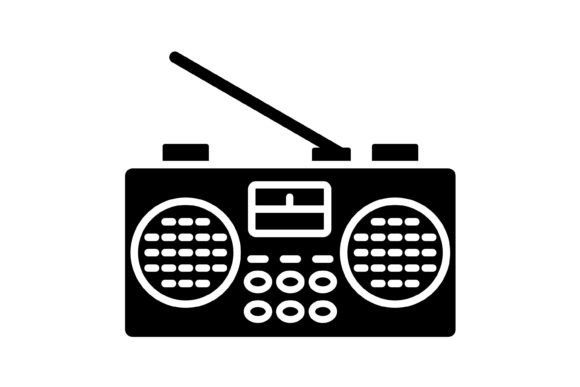
In the fast-paced world of digital design, clarity and versatility are paramount. A single element, like a Radio Glyph Icon, can serve as a universal symbol for audio, broadcasting, communication, or even a metaphor for connection. However, its utility is only as strong as the files that deliver it. A well-crafted icon set isn't just about the visual; it's about providing a toolkit that adapts seamlessly to any project, from a mobile app interface to a high-resolution print poster. The true value lies in the combination of thoughtful design and comprehensive file support, ensuring that the icon works for you, not against you.
Why File Format Diversity is Non-Negotiable
When you download a zip file containing an icon set, the variety of formats inside is a direct indicator of its professional quality. Each format serves a distinct purpose in a designer's workflow, and having them all at your disposal eliminates frustrating roadblocks. A Radio Glyph Icon delivered only as a JPG, for instance, would be severely limited. Its background would be fixed, and scaling it up would result in pixelation, ruining its crispness on a high-density display or in a large layout.
A truly functional asset package includes formats that cover every conceivable use case. The inclusion of AI and EPS files is a nod to professional vector workflows, allowing for infinite scalability and detailed editing in Adobe Illustrator. JPG provides a universal, lossy-compressed format for quick previews or use in contexts where transparency isn't needed. PNG, especially with a transparent background, is the workhorse for web and app development, offering lossless quality and the crucial ability to layer the icon over any color or image. Finally, SVG has become the modern standard for the web, offering crisp rendering at any size, small file weights, and the ability to be manipulated with CSS or JavaScript. This multi-format approach ensures the Radio Glyph Icon is truly ready for any platform you can imagine.
Integrating the Icon into Your Digital Ecosystem
Consider the lifecycle of a project. A designer might begin by sketching concepts in Illustrator using the native AI file of the Radio Glyph Icon. They can easily adjust stroke weights, modify the silhouette, or change colors to match a brand palette. This edited vector then needs to be implemented.
For a mobile app, the designer exports a PNG set at various resolutions (1x, 2x, 3x) to ensure perfect rendering on everything from older phones to the latest tablets. The transparent background allows the icon to sit neatly within a navigation bar or as a button over a dynamic background. For the same app's website, the SVG version is ideal. It loads quickly, looks sharp on all screen sizes, and can be animated with a few lines of code to provide user feedback, like a subtle pulse when selected.
What about print? Here, the vector formats shine. A marketing team can take the EPS file of the Radio Glyph Icon and place it directly into an InDesign layout for a brochure or a Keynote template for a corporate presentation. Because it's a vector, it can be scaled to fill a billboard without losing a single detail. This eliminates the need to request different file versions from the design team, streamlining the entire production process and ensuring brand consistency across all mediums.
Characteristics of an Effective Glyph Icon
Not all icons are created equal. The effectiveness of a Radio Glyph Icon hinges on several key design principles. First is clarity and recognition. The symbol must be instantly understandable, even at very small sizes. A overly detailed or stylistic interpretation might look beautiful in isolation but fail as a functional interface element. Good glyph design prioritizes simplicity and universal recognition.
Second is consistency. A set of 100 vector icons, like the one described, is only valuable if the Radio Glyph Icon shares a common visual language with the other 99. This means consistent line weights, corner radii, padding, and optical alignment. When used together in an app or on a website, this consistency creates a cohesive and professional user experience. Inconsistency breeds visual noise and confusion.
Third is adaptability. The icon must be designed with flexibility in mind. Does it work equally well on a light background and a dark one? Is it monochromatic by default to allow for easy color application? Can its components be easily separated or modified? A well-designed glyph is a robust starting point for customization, not a rigid final product.
Practical Considerations Before You Choose
Before integrating any icon set into your workflow, a few practical checks are essential. While the promise of "100 vector icons" is appealing, always review the actual library. Does the set include the specific variations you might need? For a Radio Glyph Icon, this could mean having a filled version, an outlined version, and perhaps variations with different antenna styles or signal waves.
Licensing is another critical factor. The description "Ready to use for all devices and platforms" should be backed by a clear, permissive license—typically a royalty-free license for commercial use. This protects you and your client from legal issues down the line. It's also wise to consider the source and the designer's reputation. High-quality, well-organized files from a trusted source save countless hours of troubleshooting and rework.
Finally, think about your team's skill level. The availability of editable vector files (AI, EPS) is a major advantage for designers who are comfortable with professional software. However, for teams that primarily work with simpler tools or need assets ready for immediate deployment, the presence of pre-optimized PNG and SVG files is equally important. The best icon sets cater to multiple levels of technical expertise.
Observations from the Field
In practice, icons like the Radio Glyph Icon often transcend their literal meaning. A "radio" icon might be used to represent podcasts, live streaming, audio settings, or even a "broadcast" function for sending messages. This symbolic flexibility makes it a valuable asset in a designer's toolkit. I've seen it used effectively in music player apps, news aggregator interfaces, and even in educational software to denote audio lessons.
A common pitfall is underestimating the importance of the transparent PNG. Many projects stall because a designer is forced to spend time manually removing backgrounds from raster images. Having that asset ready to go is a simple but profound quality-of-life improvement. Similarly, the SVG format is no longer a "nice-to-have" for web work; it's a necessity for responsive, high-performance interfaces. The inclusion of these formats in a single zip file speaks to a product that understands the real-world demands of modern development.
Choosing the right visual assets is a foundational step in any design project. A comprehensive, multi-format icon set centered around a versatile symbol like the Radio Glyph Icon provides the reliability and flexibility needed to build efficiently and effectively. It’s an investment in a smoother workflow, ensuring that a single, well-designed element can travel with your project from the first concept sketch to the final, polished product on any screen or page.